Source Fashion Shoe Buckle for Bag, Garment, and Belt
Compare 30 listings for fashion shoe buckle options made from metal with gold plating. Buyers can evaluate styles like hook and rhinestone, customization features, and delivery times ranging from 7 to 20 days for sampling and production.
Key considerations
Products List






Comprehensive Sourcing Guide
Strategic Sourcing Guide for Fashion Shoe Buckles
Navigating the global market for fashion shoe buckles requires a precise understanding of material composition, manufacturing techniques, and the specific regulatory landscape governing footwear accessories. For procurement professionals, the transition from generic hardware to specialized fashion components involves evaluating how aesthetic customization intersects with functional durability. The following guide synthesizes available market data to provide a structured approach for sourcing high-quality buckles, focusing on the intersection of design trends and supply chain reliability.
Technical Specifications and Material Composition
The foundation of any successful procurement strategy for fashion shoe buckles lies in a rigorous definition of technical specifications. Based on current market observations, the primary material composition for these components is predominantly metal, often utilizing die casting and stamping techniques to achieve complex shapes and fine details. While metal forms the structural core, some specialized variants integrate metal and leather composites, particularly for applications requiring a softer tactile feel or a specific aesthetic finish.
The manufacturing process significantly influences the final product's quality. Die casting allows for the creation of intricate 3D features and flash effects, which are increasingly popular in modern fashion designs. Stamping, conversely, is often employed for flatter, more uniform components. Buyers must verify that the supplier possesses the technical capability to execute both methods, as the choice between them dictates the precision of the logo application and the structural integrity of the buckle.
Size customization is a critical technical variable. While standard dimensions such as 3 inches, 3.5 inches, and 4 inches are frequently observed, the market heavily favors bespoke sizing to match specific shoe lasts and design requirements. The specification "Accept custom" indicates that suppliers should be capable of producing non-standard dimensions, provided the mold costs and tooling requirements are agreed upon. Additionally, the plating process is a key differentiator; gold plating is a common standard, but the ability to plate with various colors allows for extensive brand customization. Buyers should explicitly confirm the thickness and durability of the plating to ensure it meets the "not fade/keep color long time" performance expectations often cited in product descriptions.
Design Attributes and Aesthetic Customization
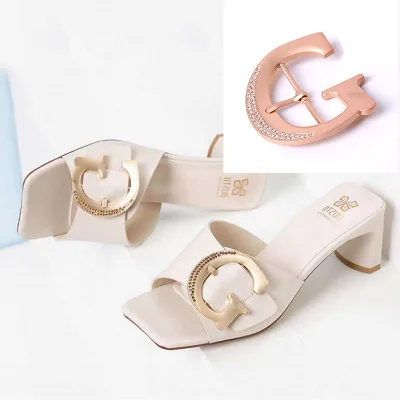
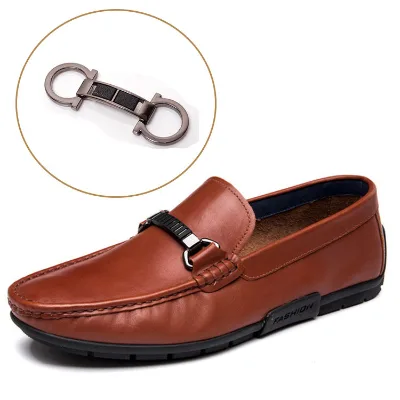
Fashion shoe buckles serve as both functional fasteners and primary decorative elements. The observed design landscape includes a wide array of styles, ranging from traditional hooks to elaborate rhinestone embellishments. The "Hook" style is prevalent for securing straps, while "Rhinestone" variants cater to high-end decorative needs. The application of these buckles extends beyond mere utility; they are often used as gifts, souvenirs, or standalone decoration pieces, necessitating a high level of visual appeal.
Customization options are extensive and central to the value proposition of these components. Suppliers typically offer soft enamel, hard enamel, embossed, and laser engraving techniques for logo application. This allows brands to imprint their identity directly onto the hardware. Furthermore, the "3D" and "Flashing" features mentioned in product attributes suggest that modern designs often incorporate depth and light-reflecting properties to enhance visual impact.
The target demographic for these products is predominantly women, with applications spanning bags, garments, shoes, and belts. The "Modern" age classification indicates that designs are aligned with contemporary fashion trends rather than vintage or historical reproductions. When evaluating potential suppliers, buyers should request samples that demonstrate the full range of these decorative capabilities, ensuring that the chosen vendor can consistently deliver the specific aesthetic required for the brand's collection.
Compliance, Certification, and Regulatory Standards
In the realm of international trade, compliance is non-negotiable. The supply chain for fashion accessories is subject to various regulatory frameworks, particularly regarding material safety and environmental impact. The observed market data highlights several key certifications that are frequently associated with reputable suppliers: CE, ROHS, and SGS.
CE marking indicates conformity with health, safety, and environmental protection standards for products sold within the European Economic Area. ROHS compliance ensures that the electronic or metallic components do not contain restricted hazardous substances, a critical factor for metal hardware that may come into prolonged contact with skin. SGS certification provides third-party verification of quality and safety, offering an additional layer of assurance regarding the product's adherence to international standards.
While ISO 20345 is a standard often referenced in the broader footwear industry for safety footwear, its direct applicability to fashion shoe buckles depends on the specific use case. For standard fashion accessories, the focus should remain on CE and ROHS compliance. Buyers must verify that the supplier holds valid, up-to-date certificates for these standards. It is essential to request current documentation rather than relying on general claims, as certification status can change. Additionally, the origin of the product, frequently cited as Quanzhou, Fujian, or generally China, should be cross-referenced with the supplier's export history to ensure they are familiar with the specific import regulations of the destination market.
Cost Drivers and Pricing Dynamics
Understanding the cost structure of fashion shoe buckles is vital for budgeting and margin analysis. The observed price range in the market is notably low, spanning from 0 to 3 USD per unit. However, this range is highly dependent on the volume of the order and the complexity of the customization. The Minimum Order Quantity (MOQ) varies significantly, with observed ranges from 500 to 100,000 units.
Several factors drive the final unit cost. First, the material composition plays a role; metal and leather composites may incur higher material costs than pure metal variants. Second, the customization level is a major cost driver. Custom molds for unique shapes, specific plating colors, and intricate logo applications (such as hard enamel or laser engraving) require additional tooling and setup fees. These costs are often amortized over the production run, meaning larger orders result in a lower per-unit price.
The supply ability of the manufacturer also impacts pricing. A supplier with a capacity of 100 pieces per day may charge a premium for rush orders or small batches compared to a facility capable of mass production. Buyers should negotiate based on their projected volume to secure the most favorable pricing tier. It is important to note that the low-end price points observed in the market often correspond to standard, non-customized items with high MOQs. Any deviation from the standard, such as custom sizing or unique plating, will likely increase the unit cost.
Supplier Evaluation and Operational Capabilities
Selecting the right supplier requires a thorough evaluation of their operational capabilities and logistical reliability. The primary production hubs for these items are located in Fujian, China, specifically in regions like Quanzhou. This concentration of manufacturing expertise suggests a mature supply chain with established infrastructure for metalworking and finishing.
When evaluating suppliers, buyers should assess their production lead times. Typical delivery times for sampling range from 7 to 10 days, while production lead times for bulk orders are generally between 12 to 20 days. However, these timelines can vary based on the complexity of the order and the supplier's current workload. A reliable supplier should provide a clear production schedule and communicate any potential delays proactively.
Packaging and shipping are also critical components of the evaluation process. Standard packaging often includes bubble bags, plastic bags, or velvet boxes, with bulk shipments typically organized as 50 pieces per pack and 10 packs per box. The "Standard Seaworthy Packing" designation is a baseline requirement for international shipping to prevent damage during transit. Buyers should verify that the packaging is robust enough to protect the plating and delicate features of the buckles. Furthermore, the supplier's shipping options, which may include sea, air, or courier services like DHL, FedEx, and UPS, should align with the buyer's urgency and budget constraints.
Quality Control and Long-Term Procurement Strategy
Maintaining consistent quality is paramount in the fashion industry, where product defects can lead to significant brand damage. Quality control measures should be integrated into the procurement process from the sampling stage through to mass production. Buyers should insist on pre-production samples that match the approved specifications for size, plating, and logo application. Post-production inspections should verify that the "not fade/keep color long time" claims are met through rigorous testing of the plating durability.
Long-term procurement considerations involve building a strategic partnership with the supplier rather than engaging in transactional purchasing. This approach ensures better pricing, priority production slots, and more flexible customization options. Buyers should establish clear communication channels regarding payment terms, which typically include T/T, PayPal, Western Union, L/C, and Credit Card. Understanding the payment structure is essential for managing cash flow and mitigating financial risk.
Additionally, the ability to scale production is a key consideration. As the brand grows, the supplier must be capable of increasing output without compromising quality. A supplier with a stated supply ability of 100 pieces per day may need to scale up operations to meet larger demand, so buyers should discuss capacity expansion plans during the initial negotiation phase. Finally, maintaining a diverse supplier base can mitigate risks associated with supply chain disruptions, ensuring a steady flow of high-quality fashion shoe buckles to meet market demands.
Conclusion
Sourcing fashion shoe buckles is a multifaceted process that demands attention to technical details, regulatory compliance, and supplier reliability. By focusing on the core attributes of metal construction, die casting and stamping techniques, and extensive customization options, buyers can identify products that align with their brand's aesthetic and functional requirements. The market offers a wide range of price points and MOQs, allowing for flexibility in procurement strategies. However, success depends on rigorous supplier evaluation, verification of certifications like CE and ROHS, and a commitment to quality control throughout the production lifecycle. With a strategic approach, buyers can secure a steady supply of high-quality buckles that enhance their fashion collections while maintaining operational efficiency and cost-effectiveness.
FAQs
What materials are used for fashion shoe buckles?
The primary material is metal, often combined with leather for specific aesthetic finishes. These components are manufactured using die casting and stamping techniques to ensure structural integrity and intricate design details suitable for modern fashion applications.
Which certifications do suppliers typically provide?
Reputable suppliers commonly hold CE, ROHS, and SGS certifications for their products. These standards verify compliance with safety and environmental regulations, ensuring the metal hardware is free from hazardous substances and meets international quality requirements for export.
Can I customize the size and plating of the buckles?
Yes, customization is available for size, plating, and logo application. Suppliers offer various plating colors like gold and can produce custom dimensions, allowing brands to tailor the hardware to specific shoe lasts and design requirements while maintaining durability.
How long does production take for bulk orders?
Production lead times typically range from 12 to 20 days after sample approval. Sampling takes about 7 to 10 days, while bulk manufacturing requires 12 to 15 days or up to 20 days depending on the complexity and volume of the order.
What is the minimum order quantity for these buckles?
The minimum order quantity varies significantly, ranging from 500 to 100,000 pieces depending on the supplier and customization level. Standard items often have lower MOQs, while complex custom molds or specific plating may require higher initial order volumes.
Where are these fashion shoe buckles manufactured?
Most products originate from Fujian, China, with specific production hubs in Quanzhou. This region is known for its mature supply chain and expertise in metalworking, offering reliable sourcing options for international buyers seeking high-quality hardware components.